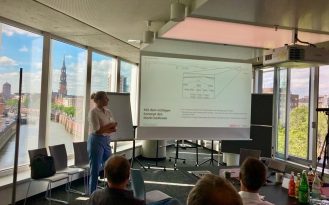
SMB: Forecasting with batch size 1
The name SMB stands for special plant engineering with a system and

Definition
DEFINITION OF VARIANT MANAGEMENT: Variant management refers to all strategic and operational measures for the economical design and control of product diversity—with the aim of balancing customer benefits and internal efficiency.
Der datenbasierte Ansatz von Odego ermöglicht die fundierte Bewertung und gezielte Reduktion von Varianz über den gesamten Produktlebenszyklus hinweg.
Im Fokus steht die Entwicklung eines nachhaltigen Variantenmanagements, das auf belastbaren Informationen aus verschiedenen Datenquellen basiert – etwa aus SAP, anderen ERP-Systemen oder CRM-Tools werden diese Daten strukturiert erfasst, verknüpft und in aussagekräftige Analysen überführt.
Tools
When setting up data-driven variant management, it is important to be able to adapt to the company’s unique system landscape and varying data quality requirements. That is why we do not rely on rigid variant management software for this task, but rather on true data empowerment using analytics tools tailored to the company’s specific challenges and goals. Implementation is based on the company’s existing or planned data analytics platforms. This process combines our technical expertise and methodological know-how—from conception and technical implementation to the development of customized reports, dashboards, and visualizations, all tailored to the specific data landscape. The advantage: There are no prerequisites regarding the quality or quantity of the data—we can get started right away and achieve immediate results. Thanks to the customized setup, variant management integrates seamlessly into SAP or other ERP systems, CRM, or PLM—depending on your needs.

Industry Cases
Variant management is only as successful as the underlying modular system. That is why the most effective measures for reducing diversity are tailoring the portfolio to the market and developing a lean product modular system. On this basis, variant management effectively supports the targeted control of diversity over the entire life cycle as part of product maintenance.
The packaging industry is characterized by highly individual customer requirements, complex processes, and low quantities - and offers immense potential through variant-oriented product management.
Here, we developed the necessary key figures and analyses based on strategic objectives, established role concepts, and seamlessly integrated the new procedures into existing company processes.
In industrial plant engineering, each plant is individually designed to suit the end customer's processes. Upstream modular development makes it possible to configure the plants in a structured and efficient manner to meet customer-specific requirements.
For data-driven, digital modular maintenance, the existing data infrastructure was used to establish targeted links and evaluations.
The result: a customized dashboard that makes the development of variance transparent, evaluates its effects, and serves as a basis for targeted measures. In addition, new roles and processes were jointly defined to enable quick decision-making and effective implementation.

Network

USP
Odego stands for data-driven, customized variant management that makes product diversity cost-effective, reduces complexity, and achieves measurable success—with tailor-made analytics solutions.
We make product diversity measurable—through reliable analyses based on your real data from ERP, SAP, or CRM systems.
We develop customized analytics solutions that integrate seamlessly into your existing data landscape.
We combine strategy, technical implementation, and organizational anchoring—for sustainable variant management that works.
We start with what you have – and develop your database step by step, without long lead times.
Whether in mechanical engineering, plant engineering, or the packaging industry—we understand the challenges posed by highly varied products from practical experience.
Our solutions adapt to your IT – whether SAP, PLM, or CRM – without new systems or isolated applications.
We make success visible – in the form of concrete key figures such as EBIT growth, time savings, and reduced complexity costs.
We establish clear roles, processes, and responsibilities so that data-driven decisions are implemented in the long term.
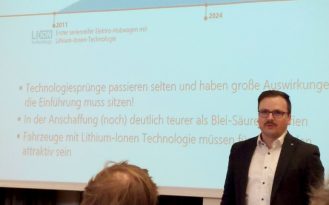
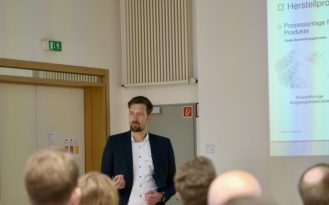
In our forums, networks, and industry events, we create space for exchange, best practices, and new ideas.
Variant management encompasses all strategic and operational measures for the economical management of product diversity—with the aim of optimally meeting customer needs while ensuring internal efficiency.
The consolidation, processing, and evaluation of system information about product diversity must be supported by software in order to enable informed decisions to be made. It makes sense to use existing data analytics cloud infrastructure within the company or to build new infrastructure so that variant management fits optimally into the system landscape and data strategy and no new islands are created by separate software systems.
SAP or other ERP systems are important sources of information for data-based variant management. Other sources of information can include CRM systems such as Salesforce or CPQ solutions. The data from these systems is linked and evaluated via a data analytics cloud infrastructure, for example.
Data-based variant management keeps the product on track—throughout its entire life cycle. We support implementation, from the content and technical implementation of the necessary analytics to anchoring it in the organization through appropriate roles and processes. This ensures that the product remains competitive in the long term.
Newsletter subscription
Adding {{itemName}} to cart
Added {{itemName}} to cart